ECU Fault Symptoms Explained: How to Tell If Your ECU Is Failing
2 October 2026
The usual ECU fault symptoms are an engine management light that will not clear, misfiring, stalling or cutting out, hard starting, a sudden drop in fuel economy and erratic gear changes on an automatic. At BRS Remapping we test and repair engine ECUs at component level on the bench, rather than reading a code and pointing at the unit. That distinction matters, because plenty of cars that arrive with these symptoms turn out to have a healthy ECU and a faulty sensor, connector or earth. This post helps you work out which one you are dealing with before you spend anything.
What are the symptoms of a failing ECU?
A failing ECU usually shows up as electrical confusion rather than one clean mechanical fault. The unit is making decisions about fuel, spark, idle and shift points thousands of times a second, so when its processing or its output drivers start to fail, the car misbehaves in several unrelated ways at once. Here is what that looks like from the driver's seat:
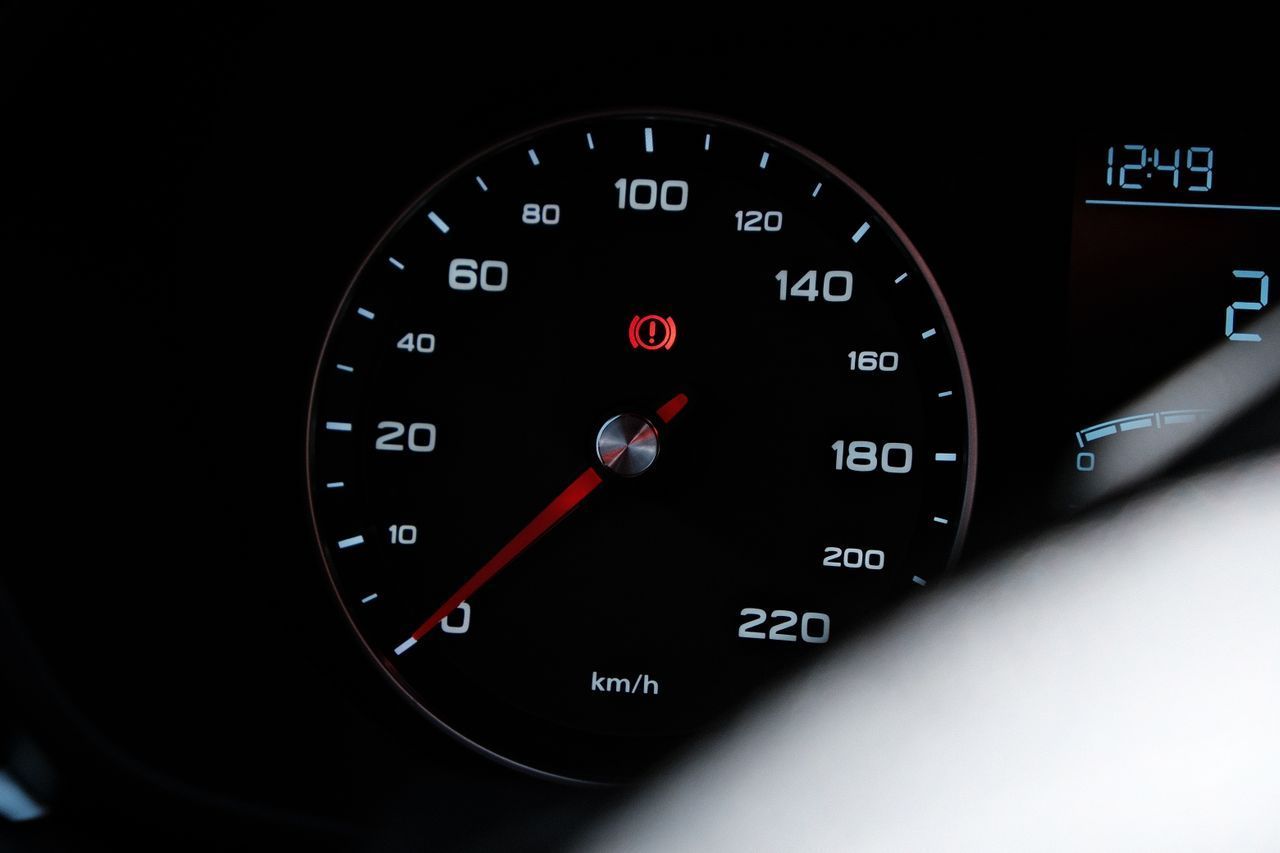
- Engine management light on, or several unrelated codes stored at once. One light on its own means very little. A car storing fuel trim, ignition, sensor and communication faults together, with no obvious link between them, is a different picture.
- Misfiring and rough running. Yes, an ECU fault absolutely causes performance problems. If an injector or coil driver inside the unit is weak, the signal arrives late or arrives short, and the cylinder fires badly or not at all. You feel it as a stumble at idle and a shake through the pedals.
- Stalling or cutting out while you are driving. The engine dies without warning, often restarts straight away, and leaves nothing useful behind on a scan. Intermittent internal faults do this.
- Hard starting, or long cranking before it fires. The starter spins fine, but the ECU is slow or inconsistent in commanding fuel and spark.
- A sudden fall in fuel economy. Not a gradual drift over a year. A car that drops noticeably in a fortnight is being fuelled badly, and a bad fuel map decision comes from either a lying sensor or the unit reading it.
- Erratic or delayed gear changes on an automatic. The engine ECU feeds load and torque data to the transmission side, so bad data upstream produces harsh, early or hunting shifts downstream.
- Poor throttle response and surging. You ask for power and there is a pause, then too much of it. That half-second of hesitation when you are merging is the classic complaint, and it comes from the unit mishandling throttle position and fuelling together.
- Failed or missing communication with a scan tool. The tool connects to the car but cannot see the engine module at all. This is the single strongest pointer at the ECU, or at its power and earth feeds.
My car will not start. Could it be an ECU fault?
Possibly, but only one version of "won't start" points that way. If the engine cranks over healthily and never fires, you have lost fuel or ignition signal, and the ECU is a genuine suspect alongside the crank sensor and fuel pump relay. If there is no crank at all, look at the battery, starter and immobiliser first. Worth knowing: an immobiliser or body control module fault presents almost identically to an ECU no-start, so read up on BCM fault symptoms before you condemn the engine unit.
Is it the ECU or a sensor? How to tell the difference
Most symptoms blamed on the ECU are caused by something cheaper sitting outside it. Sensors, connectors, loom chafe and poor earths account for the majority of what we see, and the ECU itself is usually the last thing to suspect rather than the first. Replacing one on a hunch is one of the most expensive wrong turns in vehicle electronics, because you pay for the unit, you pay again to have it coded, and the original fault is still there on the test drive.
So what separates the two? Three practical tells do most of the work. A single circuit-specific code, repeating consistently, nearly always means that circuit. Multiple unrelated codes spread across fuel, ignition and sensor systems point at the unit that oversees all of them. And a fault that tracks something physical, appearing only when the engine warms up or only over rough road, is almost always a connection rather than a chip. Total loss of communication is the exception: that points at the ECU or its supply and earth feeds, and nowhere else.
The honest answer is that none of this is proof. It narrows the field, which is worth doing before you pay anyone, but confirming an internal fault means bench testing the unit. Our ECU testing and repair work is built around accurate fault confirmation rather than assumption, which is why we ask for photographs and your vehicle registration over email or WhatsApp before we accept a job at all.
What causes ECU failure?
ECUs rarely die of old age. They fail because something got into them or something got sent into them, and the usual culprits are consistent across makes:
- Water and moisture reaching the casing or the connector, often after a windscreen scuttle drain blocks or a loom grommet perishes.
- Vibration and heat cycling, which fatigues solder joints until one cracks and starts making intermittent contact.
- Voltage spikes from jump starting a flat car badly, a failing alternator, or an aftermarket accessory wired into the wrong feed. Dashcams are a common offender, though nobody wants to hear that.
- Corrosion on pins and earth points, which raises resistance and confuses the signals the unit is trying to read.
- Physical damage from an accident, or from a previous repair that went wrong.
Notice what those have in common. Almost all of them damage one component or one joint inside the unit rather than killing the whole board, and that is exactly why so many ECUs can be fixed instead of replaced. It also explains why an ECU that fails once in a damp car will often fail again if nobody finds the leak, which is worth checking while the unit is out.
How a faulty ECU is properly diagnosed
A proper diagnosis works outwards from the cheap stuff first, and the ECU is the last thing on the list rather than the first. The sequence runs roughly like this: read the stored codes and the freeze frame data, confirm the scanner can talk to the engine module at all, check battery voltage, charging output, fuses and earth points, inspect the connector and casing for water staining and corroded or pushed-back pins, then test the sensor circuits at the sensor rather than replacing parts off a code number.
Three of those are worth doing yourself before you pay anyone. A weak battery, a blown fuse or a corroded earth will mimic a failed ECU convincingly, and they cost nothing to rule out. The rest is auto electrician territory.
One thing that trips people up: an OBD2 scanner reads the ECU's own report of the car, so it cannot reliably report on the ECU itself.
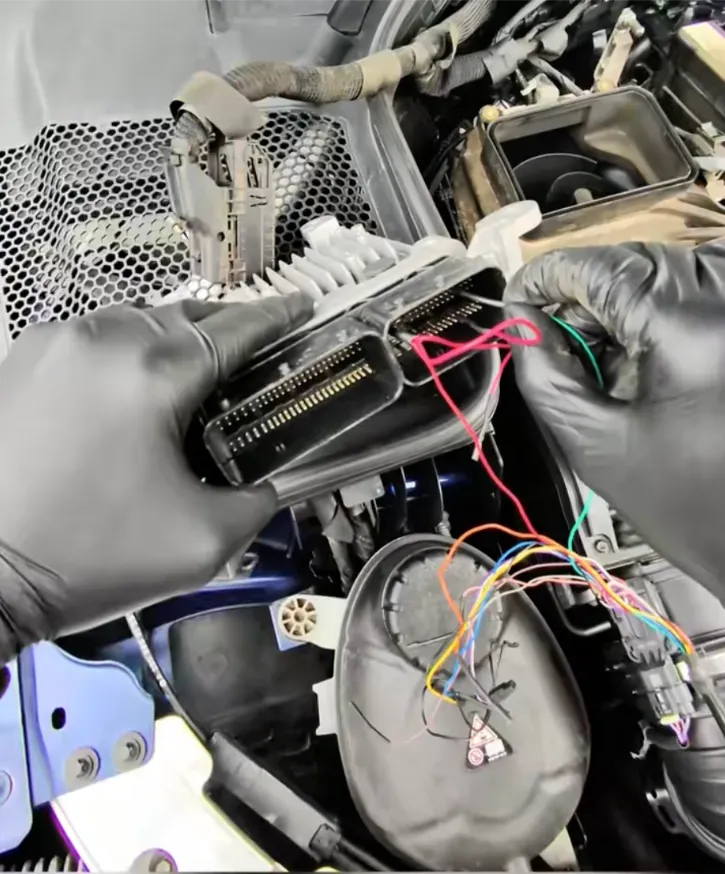
Confirming an internal fault needs the unit on a bench, powered and loaded, because a module that behaves perfectly on the drive can drop out once it is heated or vibrated. That is how intermittent faults get caught, and it is the step most garages skip.
Can you drive with a faulty ECU?
Sometimes, for short distances, but you should not plan around it. Plenty of people drive for weeks on a light and get away with it, and that is exactly the habit that turns a repairable unit into a scrapped one. Stalling or cutting out at speed is a real safety risk, particularly on a slip road or in traffic. Limp mode caps your power, which makes merging and overtaking genuinely dangerous rather than just annoying. A fuelling fault will also cost you money elsewhere: running rich cooks the catalytic converter, and on a diesel it loads the DPF until that becomes a second bill.
There is a legal side as well, and it catches people out at the worst moment. An engine malfunction indicator lamp that indicates a malfunction is a
Major defect under the MOT inspection manual, so the car fails its test while the fault is live, no matter how well it drives. The sensible move is to get the fault confirmed quickly, while it is still one fault and not three.
Do ECU fault symptoms differ between makes?
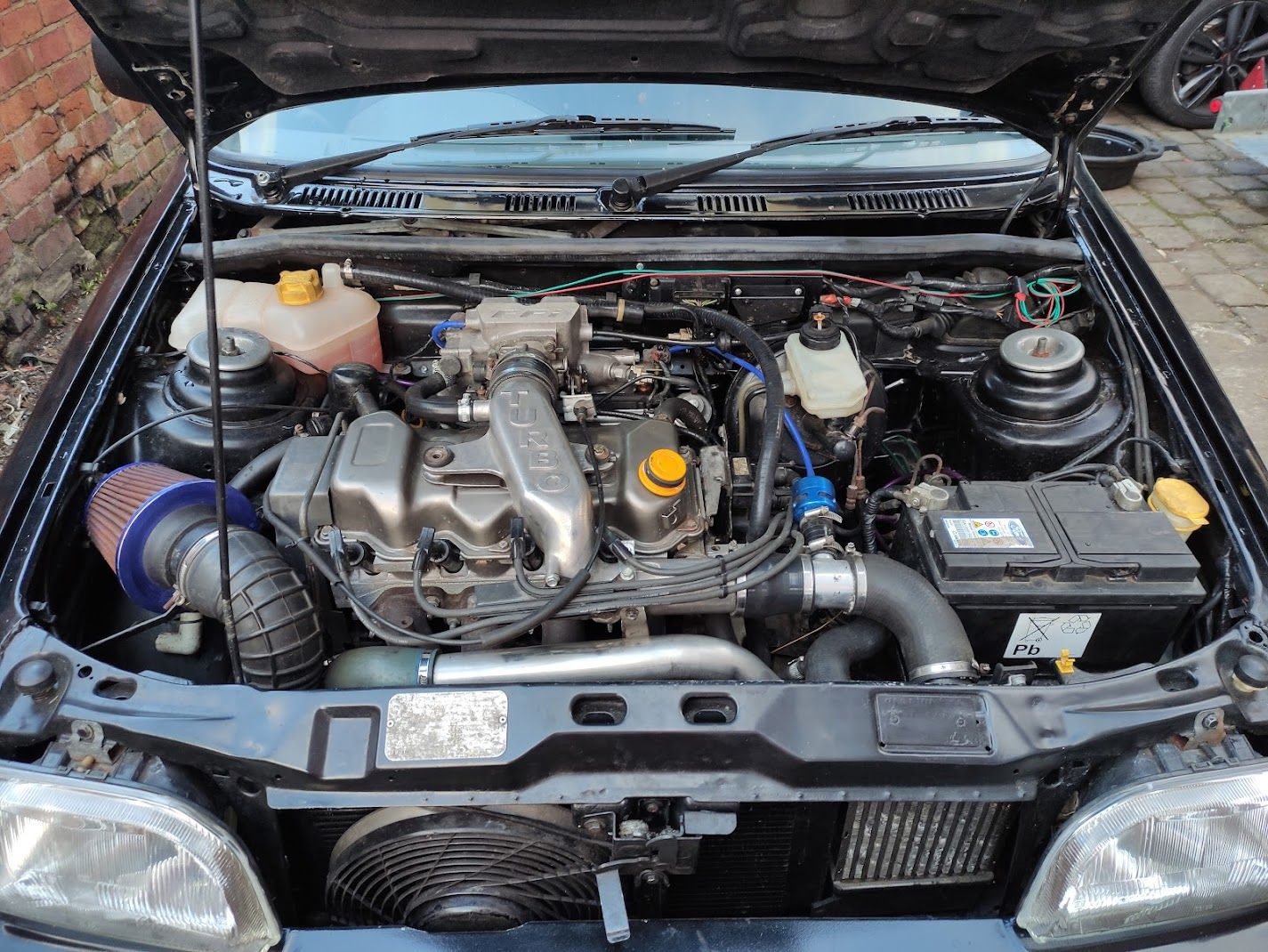
Not really, because every engine ECU does the same job, so the underlying symptoms are near universal. What changes is the presentation. Manufacturers choose different warning lights for the same underlying fault, limp mode is far more aggressive on some platforms than others, and certain units have well-documented weak points that a specialist will check first. Ford is the make people ask about most, and the Ford SID212 ECU is a good example of a unit with behaviour specialists already know how to handle, including how it needs approaching on the bench. So a Ford owner and a BMW owner can describe the same stumble on a motorway slip road and be looking at completely different first checks. Knowing the platform shortens the diagnosis. It does not change the symptom list you read at the top of this page.
Bikes are worth a mention because riders often assume ECU work is a car-only service. It isn't. Motorcycle ECUs fail in the same ways, and the symptoms read the same: a fuelling light that won't clear, cutting out at idle, a bike that starts hot but not cold. Sportsbike and adventure bike units from the likes of KTM come off easily and cost very little to post, so posting one in is usually simpler than finding a local specialist who will touch it.
Diagnosing ECU Fault Symptoms at BRS Remapping
You can now tell an ECU fault from a sensor fault well enough to stop replacing parts on guesswork. The next step is confirming it. Our ECU testing and repair service covers units booked into the workshop, seen mobile across the North West, or posted in from anywhere in the UK. Request a Quote with a few photographs and your registration, or give us a call on 0161 350 0181.
Frequently Asked Questions About ECU Fault Symptoms
Why do ECU fault symptoms come and go instead of staying constant?
Because most internal ECU faults are physical, not permanent. A hairline crack in a solder joint opens as the unit heats up and closes again as it cools, so the car drives perfectly one morning and stalls the next. That is why we bench test under load, heating and vibrating the unit until the fault shows itself.
Can a faulty ECU be repaired instead of replaced?
Usually, yes. Most ECU failures come down to one damaged component, a cracked solder joint or water damage on part of the board, rather than the whole unit dying. Repairing it at component level keeps your original programming and avoids a replacement bill.
Can a faulty ECU damage other parts of the engine?
Yes, and that is the real argument for fixing it quickly. Bad fuelling overheats the catalytic converter and clogs a diesel DPF. Incorrect ignition timing stresses pistons and valves. Running an engine on wrong instructions for months turns a single repair into a much larger bill, so catching it early genuinely saves money.
Does a repaired ECU need programming or coding back to the car?
Nearly always. A repaired or replacement unit has to be matched to your vehicle's immobiliser and security data before the car will run properly, and on many platforms it needs coding to the exact variant. We handle cloning, programming and coding in house, so the unit that comes back to you is ready to fit.
Share this post on socials
Recent Blog Posts