BCM Fault: Symptoms, Causes and Fixes
5 August 2026
A BCM (body control module) fault usually shows up as several unrelated electrical problems happening at the same time. Heater blowers that won't switch off, lights flickering, central locking working when it feels like it. On their own each looks like a separate failure, which is why people chase them one at a time and get nowhere. We repair body control modules every week at BRS Remapping, so this post covers the symptoms worth taking seriously, what causes them, and what it takes to put right.
What Are the Symptoms of a BCM Fault?
The clearest sign of a BCM fault is several unconnected electrical systems misbehaving together. A single failure points at that component. Three failures across lighting, locking and climate point at the thing controlling all three.
Heater blowers that will not switch off
Blowers that keep running after you've turned everything off, or that won't respond to the controls at all, are a common early sign. The module handles the climate controls, so when it starts misreading its inputs the fan does its own thing.
Flickering, dim or failing lights
Interior and exterior lights that flicker, dim without reason, or fail on one side while the bulbs test fine often trace back to the module rather than the wiring. Watch for lights that behave differently depending on what else you're using.
Central locking working intermittently
Locking that works from the fob one day and not the next is worth noting, especially alongside anything else on this list. Doors that unlock on their own, or a boot that opens by itself, belong in the same category.
Battery draining overnight
A battery that's flat by morning but passes a health test usually means something isn't letting the vehicle sleep. When the module stays awake it keeps drawing current for hours after you've walked away. Plenty of people replace two batteries before anyone checks the module.
The car will not start
On many vehicles the BCM sits in the immobiliser chain, so a fault can stop the engine starting even when the battery and starter are healthy. You'll often get a crank with no fire, or a single click and nothing else.
Several warning lights at once
Warning lights arriving together, particularly ones covering unrelated systems, point at a communication problem rather than several simultaneous failures. Cars rarely break in four places on the same morning.
What Does a BCM Fault Mean for Your Car?
The body control module runs most of the electrical items inside your vehicle, which is why one failure produces symptoms scattered across the car. Lighting, central locking, wipers, interior climate and the alarm all take instructions from it. Break the module and you break its connection to all of them at once.
It also sits in the immobiliser chain on a lot of vehicles. That's the part people find surprising, and it explains how an electrical fault that seems limited to lights and locking can end with a car that won't start at all.
What Causes a BCM Fault?
Body control modules usually fail for physical reasons rather than software ones. The most common causes we see on the bench:
- Water damage: Modules are often mounted low in footwells or behind trim where leaks and damp collect
- Electrical shorts: A short elsewhere in the car sends current somewhere it shouldn't go
- Burnt components: individual components or circuit tracks on the board fail with heat and age
- Immobiliser faults: Problems in the security side of the module that stop the vehicle starting
There's one cause that catches people out more than the rest, and it's avoidable. Changing, disconnecting or jump starting a battery can damage a BCM, because the voltage can spike and send a current through the unit. It's worth being careful with jump leads and connection order, particularly on older vehicles where the module has already had a hard life.
Can You Drive With a BCM Fault?
It depends entirely on which functions have gone. Lighting, indicator and wiper faults make the vehicle unsafe and unroadworthy, and those aren't ones to leave for a fortnight. Intermittent central locking is closer to an inconvenience, though a car that unlocks itself overnight is a security problem worth sorting quickly.
The one that strands people is the battery drain. A module that won't let the car sleep will flatten a healthy battery in a day or two, usually somewhere inconvenient. If you're seeing any of these, get the fault properly diagnosed rather than driving on and hoping it settles.
Can a BCM Fault Cause an MOT Failure?
A BCM fault won't fail an MOT in its own right, but the symptoms it causes can. Lamps, indicators, hazard lights and electrical wiring are all inspected items, covered under section 4 of the DVSA MOT inspection manual.
So a module that's killing your offside lights or leaving your hazards dead will fail the test through those items. Testers assess what the vehicle does, not why it's doing it. Worth getting sorted before the test rather than paying for a retest.
How Is a BCM Fault Diagnosed?
Diagnosing a BCM fault starts with fault codes but never ends there. Codes reporting lost communication with the module are a strong signal, though they tell you the conversation stopped rather than which end caused it.
Before anyone condemns a module, this gets ruled out first:
- Battery condition and charge, since low voltage causes symptoms that mimic module failure
- Earth points, which corrode and produce genuinely strange electrical behaviour
- Wiring and connectors running to the module, checked for damage and water
- The individual components that are failing, tested in isolation
If all of that checks out, confirming the fault means reading the module itself. That's done on the bench or in boot mode rather than through the diagnostic socket, which is what separates a specialist from a general garage. A basic code reader narrows the search. It won't finish it.
Can a BCM Fault Be Repaired?
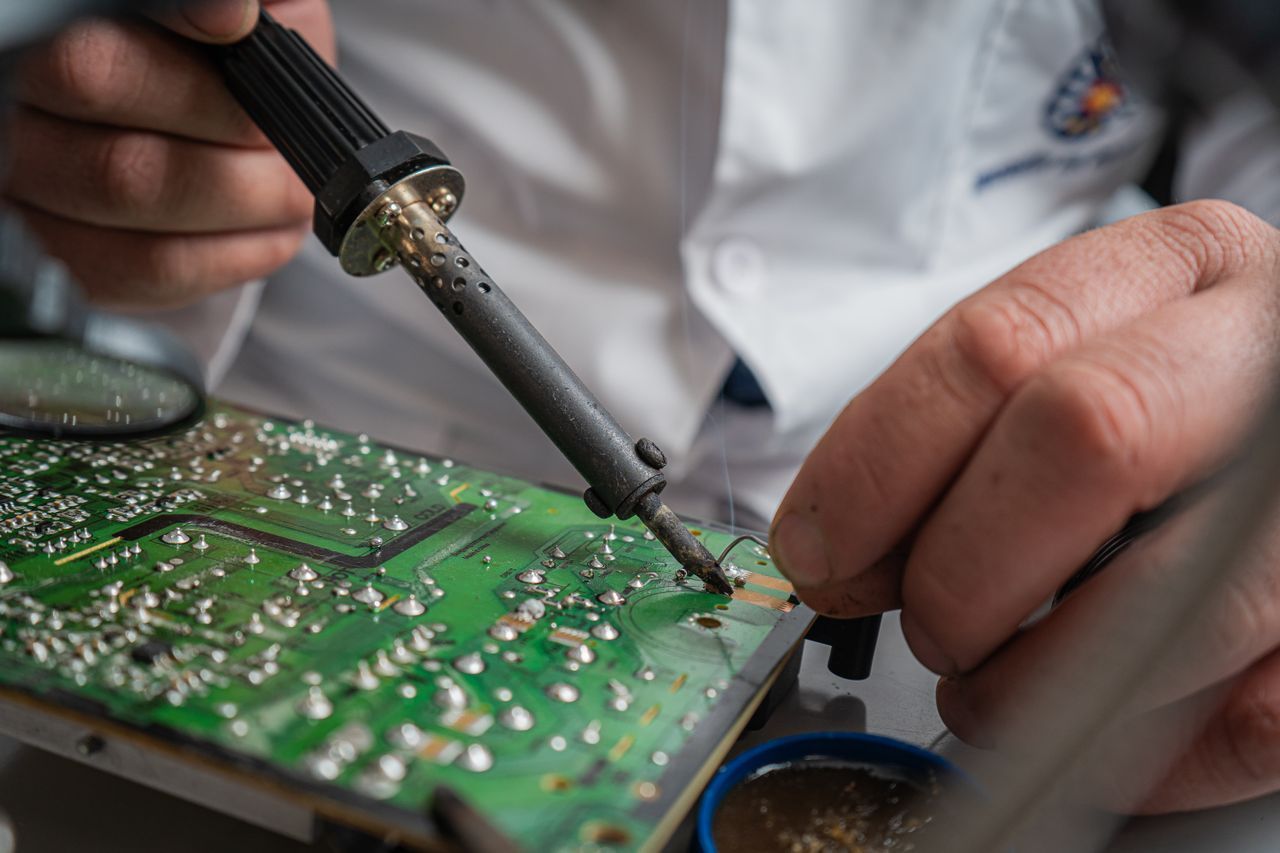
Yes, most faulty body control modules can be repaired rather than replaced. Water damage, burnt components and shorted circuits are all fixable at component level, and keeping the original module means the vehicle's own data stays where it is.
Where the board is too far gone, a replacement works but only once your old module's data has been cloned onto it. Fit a fresh unit without that step and the car won't recognise it, which is where a lot of DIY replacements come unstuck. Even a completely dead module can usually be read by taking the data off the chips directly, and your existing keys aren't affected by the process. If you'd rather not gamble on a dealer replacement, BCM repair and cloning is the cheaper route.
Working out whether it's the module or something simpler is most of the job, and it's worth getting right before you spend money on parts. BRS Remapping
repairs, clones and programs body control modules for cars and vans of any make. Post your module in from anywhere in the UK, or book a mobile visit across the North West, with most jobs turned around in 24 hours.
Frequently Asked Questions About BCM Faults and Symptoms
How much does it cost to replace a BCM in the UK?
Replacing a BCM in the UK typically costs £300 to £900 depending on the vehicle, and main dealer replacement with coding can pass £1,000. Repairing the original module usually lands between £150 and £300, which is why it's worth having the unit tested before agreeing to a replacement.
Can a BCM fault be cleared with a reset?
Sometimes, but not often, and a reset that works is usually telling you something. If a fault clears and returns within days, the module or its wiring has a genuine problem underneath. A reset can clear a temporary glitch after a battery change. It won't repair water damage or a burnt circuit.
Is a BCM fault the same as an ECU fault?
No. The ECU manages the engine, while the BCM handles the electrical systems around the body of the car. Symptoms differ: engine running problems point at the ECU, scattered electrical faults point at the BCM. We handle both, including
ECU repair and cloning in Manchester.
Can a BCM fault come and go intermittently?
Yes, and intermittent behaviour is one of the more common patterns. Faults triggered by damp, temperature or vibration appear and disappear as conditions change, which makes them frustrating to pin down. A fault that vanishes hasn't fixed itself. It's usually waiting for the right conditions.
Where is the body control module located?
It varies by vehicle, but the module usually sits behind the dashboard, in a footwell, or close to the fuse box. Some are mounted under a seat. Because many locations sit low in the car, they're exposed to water ingress, which is one reason damp is such a common cause of failure.
Can a BCM fault be caused by work done at another garage?
It can. Modules sometimes fail shortly after unrelated work, usually where the battery was disconnected or jumped, or where welding and bodywork put current or heat through the vehicle. It isn't always negligence. Older modules are fragile, and disturbance is often what tips one already close to failing.
Share this post on socials
Recent Blog Posts